Reviewing the I m a Super Teacher Svg for Embroidery
As a designer who has spent countless hours digitizing and stitching out files for clients, I approach every new machine embroidery design with a critical eye. It is not just about whether the image looks cute on a screen; it is about how it translates to thread, how it behaves under the needle, and ultimately, how it performs in the hands of a customer. Recently, I evaluated the I m a Super Teacher Svg to determine its viability for real-world craft projects. This is not a basic product description but a practical assessment from the perspective of someone who understands the nuances of stitch density, fabric tension, and commercial viability.
First Impressions and Visual Personality
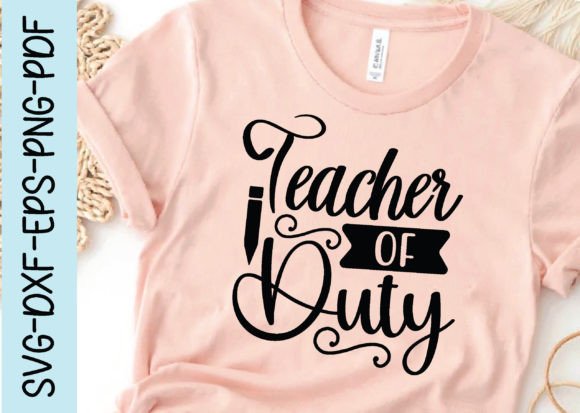
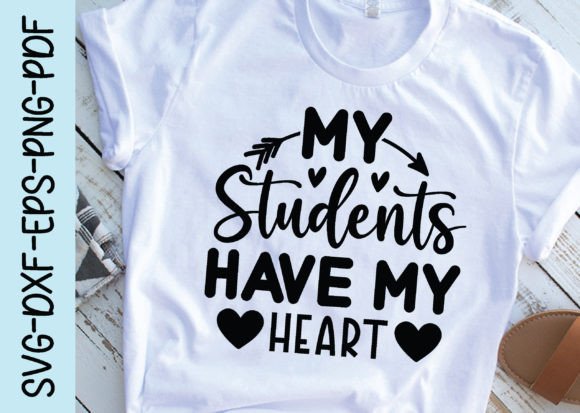
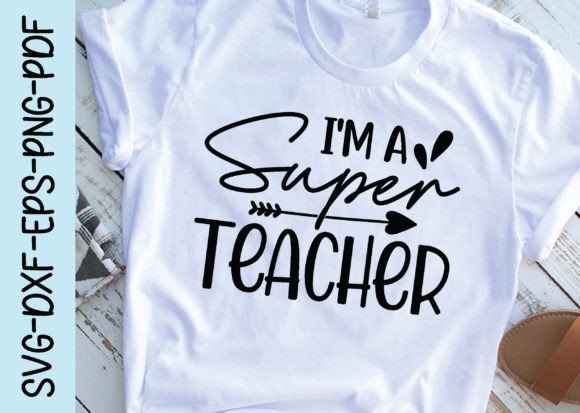
The first thing that strikes you about the I m a Super Teacher Svg is its bold, confident layout. The theme immediately evokes a sense of appreciation and fun, which is crucial for the target market of educators and gift-givers. From a graphic design standpoint, the shapes are clean and well-defined. This is essential because overly complex vectors often result in messy stitching when converted into an embroidery file. The visual personality here is playful yet professional, making it suitable for a wide range of applications beyond just a simple classroom decoration.
When I look at this as a potential digital embroidery file, I am checking for balance. Does the text overpower the graphic elements? Is there enough negative space to allow the fabric to breathe? In this case, the composition feels balanced. It suggests a design that will stitch out cleanly without requiring excessive trimming or complex color changes that might frustrate a beginner hobbyist or slow down production for a busy Etsy seller.
Real-World Application: The Custom Tote Bag Scenario
To truly test the value of this asset, I imagined a specific real-life scenario. A local boutique owner approaches me with a request for a batch of custom tote bags for end-of-year teacher gifts. She wants something durable, washable, and visually striking. This is where the I m a Super Teacher Svg shines. Because the product description notes that it contains high-resolution SVG, PNG, DXF, PDF, and EPS files, the versatility is immediate. However, for embroidery, we are looking at how these vector paths translate into stitch types.
If I were digitizing this or using it as a base for an applique design, the clear outlines would make cutting fabric pieces straightforward. For a tote bag, which is typically made of canvas or heavy cotton, the design needs to hold up against a textured surface. The bold lines of this graphic suggest it would work well with a combination of satin stitch for borders and fill stitch for larger areas, ensuring the message remains legible even from a distance. A handmade product like this benefits from a design that does not get lost in the weave of the fabric.
Performance Across Different Garments and Items
Beyond tote bags, this design has significant potential in custom apparel. Imagine this stitched onto the chest of a cozy sweatshirt. The sweatshirt embroidery market is huge, especially during the cooler months and back-to-school seasons. The design’s structure seems robust enough to handle the slight stretch of fleece without distorting, provided the correct stabilizer is used. It would also make an excellent embroidered patch that could be ironed or sewn onto denim jackets or backpacks, adding a layer of personalization that buyers love.
For smaller items, such as baby embroidery projects or nursery decor, the scale might need adjustment. While the design is charming, one must be cautious with tiny details if scaling down significantly. However, for pillow covers or kitchen towels, the medium size works perfectly. It serves as a thoughtful personalized gift that feels premium rather than mass-produced. The ability to print or stitch this on various materials means it fits seamlessly into a diverse craft business inventory.
Technical Considerations and Stitching Challenges
No design is without its challenges, and honest review requires addressing where caution is needed. When working with thread colors, contrast is key. If stitching on dark fabric, light threads are necessary, but one must ensure the stitch density is sufficient to cover the background fabric completely. Conversely, on thin or stretchy fabrics, high-density stitching can cause puckering. Therefore, testing the stitch density on scrap fabric is non-negotiable.
Curved surfaces, such as caps or hats, present another challenge. The I m a Super Teacher Svg has a horizontal orientation that might require careful hooping to avoid distortion on a curved cap brim. Additionally, if the design includes fine lettering, using a running stitch for small text might lead to readability issues after washing. It is advisable to check if the digitized version uses satin columns for text to maintain clarity. Always inspect small details and confirm that the hoop size you have available can accommodate the full design without needing to split it, which can complicate the finishing process.
Enhancing Brand Value and Customer Trust
For small shop product creators, the quality of the design directly impacts brand perception. A clean, well-executed embroidery project signals professionalism. When customers receive a finished product that looks crisp and durable, their trust in your brand grows. This design, with its clear thematic appeal, helps in creating emotional connections. Teachers feel seen and appreciated, which drives word-of-mouth marketing.
Using high-quality design assets like this allows for consistent branding across different product lines. Whether it is a holiday embroidery item for Christmas gifts or a standard year-round accessory, the visual consistency helps in building a recognizable shop identity. Furthermore, having access to multiple file formats means you can create printable mockups for your online listings, giving customers a realistic preview of the final item before they purchase.
Practical Notes for Designers and Makers
Before committing to a large production run, there are several steps every maker should take. First, always test the design on the actual fabric you intend to use. Fabric texture plays a massive role in how stitches lay down. Second, review the license terms. Since this is a digital instant download, confirm whether it allows for commercial use of finished physical items. Most designers allow selling stitched products but prohibit reselling the digital file itself.
Check the compatibility of the provided files with your specific embroidery machine software. While SVG and DXF are universal vector formats, you may need to convert them into your machine’s native format using digitizing software. Ensure you have the right stabilizer on hand—cut-away for stretchy fabrics and tear-away for stable wovens. Finally, consider the washing instructions for your clients. Advising them on proper care ensures the longevity of the commercial embroidery work, reducing returns and complaints.
In conclusion, the I m a Super Teacher Svg is a versatile and promising asset for anyone in the Crafts and Graphics space. It offers a blend of aesthetic appeal and practical usability that, when handled with technical care, can elevate a simple piece of fabric into a cherished keepsake. By understanding its strengths and respecting its limitations, designers and makers can create products that are not only beautiful but also durable and commercially successful.