Reviewing Heifer Please SVG for Real Embroidery Projects
As a designer who spends more time staring at stitch maps than I care to admit, I have learned that not every digital file translates well into thread. We see thousands of listings for Heifer Please Svg, Heifer Svg Quotes, but the real question is whether they hold up under the needle. When I downloaded this specific set of Graphics for a recent client project, my goal was not just to test compatibility, but to evaluate its practical value in a commercial embroidery project. The files arrived as a standard digital package, including SVG, PNG, DXF, PDF, and EPS formats. While these are typically used for cutting machines or printing, converting them for embroidery requires a keen eye for detail.
First Impressions and Visual Personality
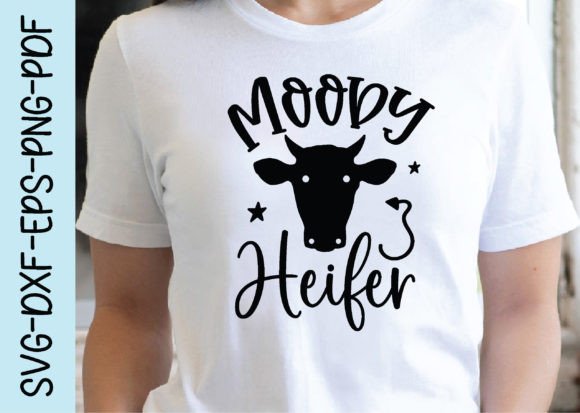
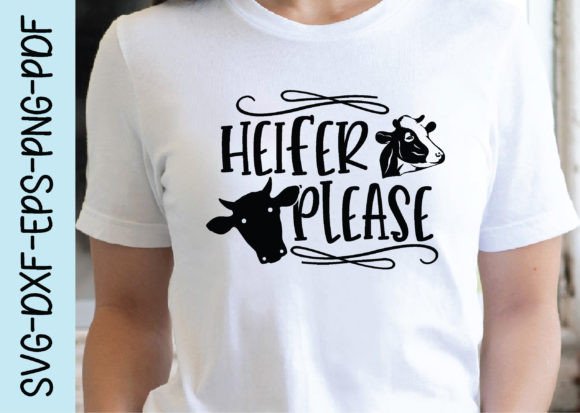
The immediate mood of the Heifer Please Svg, Heifer Svg Quotes design is playful yet bold. It leans into the rustic, farmhouse aesthetic that has dominated home decor and apparel for years, but with a modern, slightly sassy twist. The typography is crucial here. In many low-quality files, the letters are too thin or spaced too tightly, which causes thread buildup and poor readability. However, this design features substantial letterforms that suggest it can handle a fill stitch without becoming a dense, cardboard-like patch on the fabric.
The layout feels balanced, with the graphic element supporting the text rather than competing with it. For an Etsy seller or small shop product creator, this balance is vital. Customers want designs that are instantly recognizable from a distance, whether on a tote bag design hanging in a boutique or a sweatshirt embroidery piece worn at a casual gathering. The visual personality is friendly and approachable, making it an excellent candidate for personalized gifts that do not feel overly formal.
Real-World Application: The Tote Bag Test
To truly judge the utility of these files, I applied the concept to a custom handmade product: a heavy canvas tote bag. This is a common item for craft business owners because it offers a large, flat surface area. I digitized the SVG path into a machine-readable format, paying close attention to the corners of the letters. In a real-life scenario, sharp corners in vector graphics often translate poorly if the stitch density is not adjusted. I found that adding slight rounding to the inner corners prevented thread breaks and ensured a cleaner finish.
The result was a crisp, professional-looking finished product. The contrast between the bright thread colors and the natural canvas texture highlighted the design’s clarity. This kind of application proves that while the source files are listed as printable on items like mugs or signs, their structural integrity makes them highly suitable for textile adaptation. For commercial embroidery projects, this versatility increases the perceived value of the item. A customer is more likely to trust a brand that delivers consistent quality across different mediums.
Navigating Fabric and Hoop Constraints
Not every surface is as forgiving as a canvas tote. When considering custom apparel like t-shirts or baby clothes, the limitations of the design become more apparent. Thin fabrics require careful stabilization. If you attempt to stitch this design on a lightweight jersey without proper support, the fabric may pucker around the heavier text areas. I recommend using a cut-away stabilizer for garments that will undergo frequent washing, such as baby embroidery items or daily-wear tees.
Additionally, hoop size plays a significant role. While the design scales well, shrinking it too much for a small embroidered patch or a cap front can cause the smaller details to merge. On curved surfaces like hats, the tension changes, and dense areas can pull the fabric. I advise testing the design on scrap fabric first, specifically checking how the running stitch outlines interact with the fill areas. If the design includes tiny decorative elements, ensure they are large enough to be stitched cleanly, or consider simplifying them for smaller hoops.
Enhancing Brand Consistency and Customer Trust
For digital product sellers and creative entrepreneurs, consistency is key to building brand trust. Using high-quality design assets like Heifer Please Svg, Heifer Svg Quotes helps maintain a professional appearance across your portfolio. Whether you are creating printable mockup previews for your online store or producing physical inventory for craft fairs, the clarity of the original graphic impacts the final perception of quality.
When customers see a well-executed holiday embroidery gift or a personalized apron, they associate that precision with your brand. This design’s clean lines and clear message contribute to that sense of professionalism. It avoids the cluttered look that plagues many amateur designs, allowing the message to stand out. This simplicity is a strength, particularly for personalized gift markets where the recipient’s name or a short phrase might be added alongside the main graphic.
Practical Notes for Designers
- Check Thread Contrast: Before stitching, view the design in black and white. If the details disappear, adjust your thread colors to ensure sufficient contrast against the fabric background.
- Test Stitch Density: Convert the SVG to an embroidery file using your preferred software. Manually adjust the density for larger text blocks to prevent stiffness.
- Verify Licensing: Although this is a digital download, always confirm the license terms for commercial use. Ensure you are allowed to sell finished items made with these graphics.
- Inspect Small Details: Zoom in on the vector file. Look for stray points or overlapping paths that could cause stitching errors.
- Fabric Selection: Avoid using this design on highly textured fabrics unless you simplify the stitch pattern, as the texture can obscure fine lines.
Final Verdict on Usability
In the world of Crafts and digital design, functionality trumps novelty. Heifer Please Svg, Heifer Svg Quotes offers a solid foundation for various creative projects. It is not just a static image; it is a versatile asset that, when handled with technical care, produces high-quality results. Whether you are decorating a kitchen towel, creating a unique appliqué design for a jacket, or selling digital files to other makers, this graphic holds up under scrutiny.
The key takeaway for any apparel decorator or hobbyist is to respect the material constraints. Do not assume that because a file is high resolution, it is automatically ready for the machine. Take the time to digitize properly, choose the right stabilizer, and test on similar fabrics. By doing so, you transform a simple download into a valuable component of your small business merchandise lineup. The design’s charm lies in its simplicity, but its success depends on your execution.