Review: I Run on Coffee Knitting SVG for Embroidery
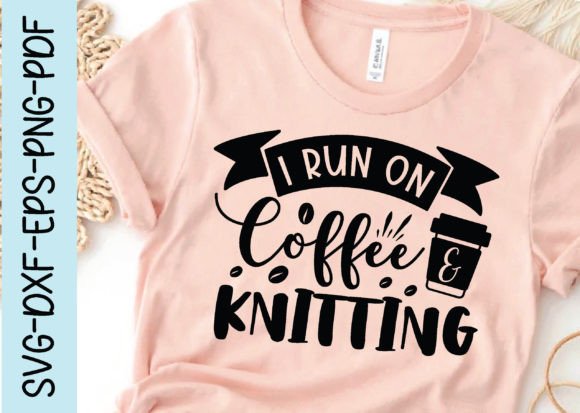
As a designer who spends half my life digitizing files and the other half stitching them out, I have learned that not every graphic translates well to thread. We often see beautiful design assets online that look crisp on a screen but turn into a tangled mess under the needle. Recently, I came across the I Run on Coffee Knitting Svg, Coffee file set. While marketed broadly for printing on mugs and signs, my immediate question was whether this specific combination of typography and iconography could hold up as a professional machine embroidery design for my craft business clients.
The first impression of this piece is its playful duality. It merges two very distinct subcultures: the caffeine-dependent creative and the fiber arts enthusiast. Visually, the layout is balanced, with the text carrying the weight and the knitting needles providing a structural frame. For an embroidery project, this is promising because it suggests clear boundaries for stitch placement. However, seeing it in the context of Crafts and Graphics is different from seeing it in a hoop. I needed to determine if the fine lines of the knitting needles would survive the transition from vector path to satin or running stitch.
Real-World Application: The Tote Bag Test
To evaluate the practical value of this digital embroidery file, I simulated a common request from my Etsy shop customers: a custom tote bag for a local yarn store owner. She wanted something witty but professional, suitable for carrying skeins of wool to markets. I chose this design because the horizontal orientation fits perfectly across the center of a standard canvas tote.
When preparing the file, I paid close attention to the lettering. The phrase "I Run on Coffee" uses a bold, sans-serif style that is generally forgiving in embroidery. However, the word "Knitting" is integrated with graphical elements. In a real-life scenario, you must consider stitch density. If the letters are too thin, they may pucker the fabric. If they are too dense, the bag becomes stiff. I found that this design works best when treated as a combination of fill stitches for the larger letters and satin stitch for the outlines or smaller graphical accents like the coffee cup steam.
Fabric and Hoop Considerations
One of the critical aspects of using any embroidery file is understanding where it fails. This design is not universally applicable without adjustment. For instance, using it on a curved surface like a cap requires careful digitizing to account for distortion. The straight lines of the knitting needles might appear warped if not properly compensated for in the software.
Furthermore, the choice of fabric matters immensely. On a textured fabric like a waffle-knit sweatshirt, the finer details of the design might get lost. In such cases, I recommend using an applique design approach, where the main shapes are cut from contrasting fabric and stitched down, rather than relying solely on thread. This not only solves the issue of visibility on textured surfaces but also adds a premium feel to the handmade product.
For dark fabrics, contrast is key. A light thread color against a navy or black sweatshirt embroidery background makes the design pop. However, you must ensure that the underlying stabilizer is sufficient to prevent the dark fabric from showing through sparse stitch areas. A cut-away stabilizer is often safer for garments that will be washed frequently, ensuring the finished product maintains its shape and integrity over time.
Commercial Viability and Brand Consistency
For small shop owners and Etsy sellers, the versatility of a design determines its ROI. This particular SVG set includes PNG, DXF, PDF, and EPS files, which is excellent for creating printable mockups. Before committing to stitching, I always generate a black and white mockup to check for clarity. If the design reads well in monochrome, it will likely stitch out clearly.
The theme of coffee and knitting appeals to a specific demographic: the cozy, creative consumer. This makes it ideal for personalized gifts, holiday embroidery projects, or boutique branding. When used on aprons or kitchen towels, it adds a touch of personality that mass-produced items lack. Customers often pay more for items that reflect their identity, and this design speaks directly to the multitasking creator.
However, commercial use requires diligence. While the product description states it can be printed on anything, embroidery licensing can differ. Always confirm whether the license covers physical goods for sale. Assuming it does, this design offers a strong return because it is evergreen. Coffee and knitting are not seasonal trends; they are lifestyle staples. This means your inventory of custom apparel featuring this design remains relevant year-round, unlike holiday-specific graphics.
Technical Notes for the Embroiderer
Before you load this into your machine, consider these practical steps to ensure quality:
- Test on Scrap Fabric: Always stitch a test run on the same type of fabric you intend to use for the final product. This helps you adjust tension and density.
- Check Thread Contrast: Ensure your thread colors stand out against the fabric. For the coffee cup, a rich brown or tan works well, while the knitting needles might look best in metallic or silver threads for a subtle shine.
- Inspect Small Details: Zoom in on the digital file. Are there tiny anchor points or jumps that could cause thread breaks? Simplify if necessary.
- Hoop Size Compatibility: Verify that the design fits within your available hoop size. If it is too large, consider splitting it or reducing the scale, keeping readability in mind.
- Stabilizer Selection: Use a tear-away stabilizer for stable woven fabrics like cotton tote bags, and a cut-away for stretchy knits like t-shirts or baby clothes.
Final Verdict
The I Run on Coffee Knitting Svg, Coffee is a charming addition to any designer’s library, provided it is approached with technical awareness. It is not just a graphic; it is a potential centerpiece for a tote bag design, a cozy baby embroidery item, or a standout embroidered patch. Its strength lies in its relatability and clean lines, which translate well to thread when managed correctly.
For those in the craft business, this design offers a low-risk, high-reward opportunity. It is simple enough to stitch quickly, reducing machine time, yet distinctive enough to attract buyers. Just remember that the difference between a amateur-looking item and a professional small shop product often comes down to preparation. Check your settings, respect the fabric, and let the design do what it does best: celebrate the cozy, caffeinated creativity of your customers.