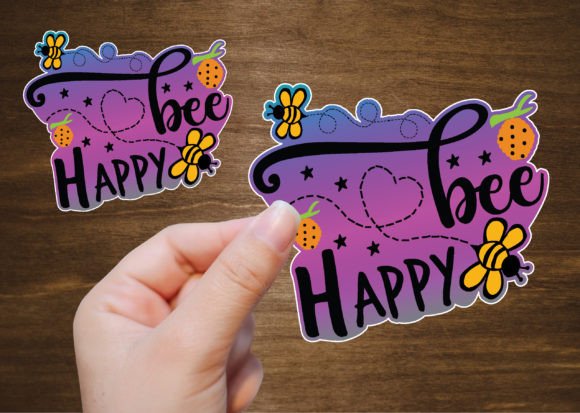
Review: Bee Happy Gradient Color Sticker Design
As a designer who has spent years digitizing patterns and testing them on everything from stiff denim to delicate baby knits, I approach every new machine embroidery design with a mix of curiosity and caution. The market is flooded with generic motifs, so when I encountered the Bee Happy Gradient Color Sticker, I wanted to see if it held up under the needle or if it was just another pretty picture meant for screen printing. After reviewing the files and running test stitches, here is my practical breakdown of how this asset performs in real-world embroidery projects.
First Impressions and Visual Personality
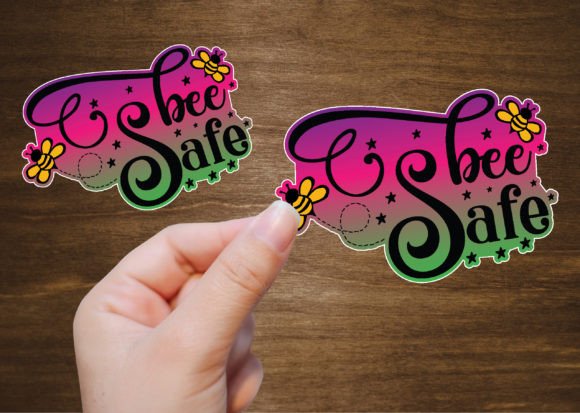
The immediate appeal of the Bee Happy Gradient Color Sticker lies in its playful yet polished aesthetic. It captures a cheerful mood that translates well into the handmade market. The layout is balanced, avoiding the cluttered look that often plagues complex graphics. For those of us in the Crafts and Graphics space, we know that a design must look good on screen, but it must also translate into thread.
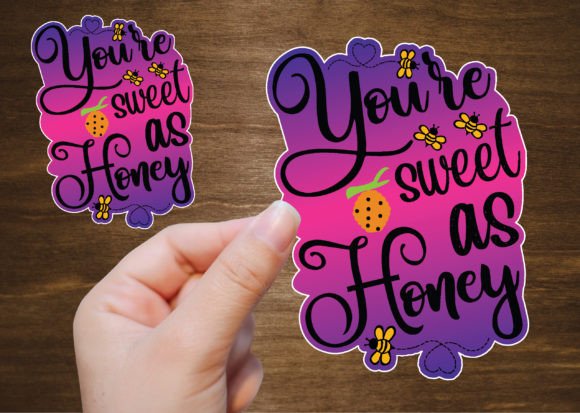
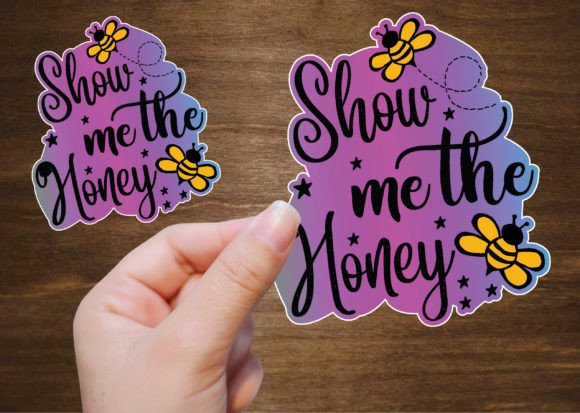
This particular design features a sticker-style outline, which is excellent for creating a modern, pop-art feel. The gradient concept suggests a smooth transition of hues, which can be tricky in embroidery. However, the underlying structure appears to rely on smart color blocking rather than impossible thread blends. This makes it accessible for home machines while still looking professional enough for boutique branding. It feels like a design that belongs on a sunny spring collection, perfect for lifting the spirits of anyone who sees the finished product.
Real-World Application: The Tote Bag Test
To truly evaluate an embroidery file, you have to imagine it on a tangible item. I visualized this design centered on a natural canvas tote bag design. Canvas is forgiving, providing a stable base for the stitches. The bee motif, with its friendly demeanor, pairs perfectly with the utilitarian nature of a tote. It transforms a simple grocery carrier into a statement piece.
I also considered its use on a unisex sweatshirt. Sweatshirt embroidery requires designs that are not too dense, to avoid puckering the heavy fleece. The open areas in this sticker-style graphic allow the fabric texture to breathe, preventing that stiff, cardboard-like feel that customers dislike. If you are an Etsy seller or run a small shop, this versatility is key. You can offer it as a personalized gift option, perhaps adding a name below the bee, or keep it standalone for a clean, minimalist look.
Versatility Across Product Lines
Beyond apparel and bags, this design shows promise for home decor. Imagine it stitched onto a linen pillow cover for a nursery or a kitchen towel. The "Happy" element makes it a strong contender for holiday embroidery gifts, such as Easter baskets or spring-themed welcome mats. For commercial embroidery clients, such as local cafes or flower shops, this could serve as a charming logo accent on aprons or staff uniforms, adding a touch of warmth to their brand identity.
Technical Considerations for Stitching
While the visual appeal is strong, the technical execution requires attention. Since this is a digital instant download containing SVG, PNG, DXF, PDF, and EPS files, it is primarily marketed for printing or cutting. However, many crafters use these vector files as a basis for digitizing their own machine embroidery design or tracing them for applique. If you are using it as a reference for stitching, pay close attention to the stitch density.
Gradient effects in embroidery are achieved through layering thread colors. You will need to carefully select your thread colors to mimic the smooth transition seen in the digital file. Start with a light shade and move to darker tones, or vice versa, ensuring high contrast between steps so the gradient is visible from a distance. A fill stitch will likely be needed for the body of the bee, while a satin stitch would work beautifully for the outlines to give that crisp sticker edge.
Fabric and Hoop Constraints
Be cautious when applying this to challenging surfaces. On stretchy fabrics like jersey t-shirts, a proper stabilizer is non-negotiable. Without it, the weight of the stitches will distort the garment. For curved surfaces like caps, the size of the design matters. If the original graphic is large, it may not fit standard cap hoops without losing detail. Always check the dimensions before committing to a project.
Additionally, tiny details can get lost. If the design includes small text or intricate wing patterns, ensure your machine can handle the resolution. On dark fabrics, you might need to adjust the underlay stitches to prevent the background color from showing through the lighter threads of the gradient. Testing on scrap fabric is the only way to confirm this.
Commercial Viability and Brand Value
For craft business owners, the perceived value of a design is crucial. The Bee Happy Gradient Color Sticker has a high "giftability" factor. It looks intentional and designed, not just slapped on. This enhances customer trust and encourages social sharing, which is vital for small shop product visibility. When buyers see a clean, well-executed embroidered bee, they associate that quality with your entire brand.
However, since this is sold as a digital download for printing on items like mugs, signs, or stickers, you must verify the licensing terms if you plan to sell embroidered versions. Many designers allow commercial use for physical goods but restrict the resale of the digital files themselves. Always read the included PDF or license file carefully. If you are creating design assets for other makers, ensure you have the right to distribute the embroidered result.
Final Designer Notes
Before launching this design in your store or gifting it, follow these practical steps:
- Test on Scrap Fabric: Never stitch directly on the final garment. Use a similar weight and texture to check for puckering.
- Check Thread Contrast: Ensure your gradient colors are distinct enough to be seen clearly.
- Verify Hoop Size: Confirm the design fits within your machine’s maximum hoop area.
- Inspect Small Details: Zoom in on the digital file to see if any lines are too thin for embroidery.
- Mockup in Black and White: This helps you see the shape and balance without the distraction of color.
- Confirm Licensing: Double-check if the license covers commercial embroidery sales, as the primary description mentions printing.
In conclusion, the Bee Happy Gradient Color Sticker is a vibrant, versatile asset that bridges the gap between digital graphics and tactile crafts. With careful attention to stitch technique and fabric choice, it can elevate your custom apparel and home decor offerings. It is a solid addition to your library, provided you respect the technical limits of your machine and the legal bounds of the license.