Review: 1st Halloween SVG for Baby Projects
As a designer who spends more time digitizing and stitching than browsing, I approach every new machine embroidery design with a healthy dose of skepticism. We have all been there: you download a cute graphic, load it onto your machine, and watch in horror as the thread nests or the details vanish into the fabric. That is why I took a close look at the 1st Halloween SVG - Funny Baby s Holiday before committing it to a client project. This isn’t just about whether it looks good on a screen; it is about how it performs under the needle.
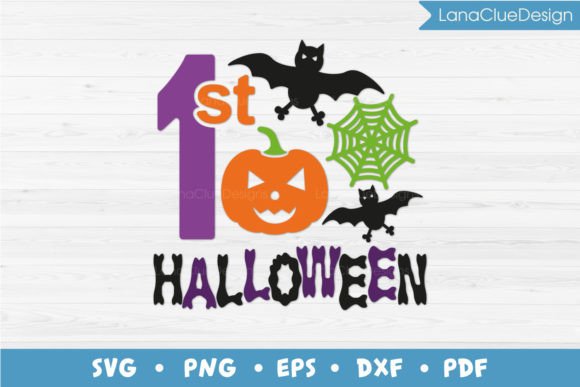
The first impression of this design is undeniably charming. It captures that specific niche of "spooky but sweet" that dominates the baby market every October. Featuring a pumpkin, spiderweb, and bats, the layout feels balanced rather than cluttered. For those of us in the Crafts sector, especially those selling Graphics or finished goods, visual clarity is everything. The elements are distinct, which suggests that with proper digitizing, they will stitch out cleanly without excessive jump stitches or confusing overlaps.
Real-World Application: The Custom Tote Test
To truly evaluate an embroidery file, you have to imagine it on a real product. I recently had a request for a set of personalized tote bags for a local boutique’s holiday promotion. The client wanted something that appealed to young parents but didn’t feel cheap. I considered using the 1st Halloween SVG - Funny Baby s Holiday for this tote bag design.
The theme fits perfectly. A canvas tote is sturdy enough to handle the stitch density required for a pumpkin and web motif. However, because this file is primarily marketed as an SVG for cutting machines like Cricut and Silhouette, and includes a PNG for sublimation, we need to talk about translation. If you are an Etsy seller or run a small shop product line, you likely know that an SVG path is not the same as an embroidery stitch map. You cannot simply feed an SVG into your embroidery machine. You must either use auto-digitizing software—which often yields poor results—or manually digitize the shapes into satin stitches and fill stitches.
If you are using the provided PNG for sublimation on polyester blends, the result will be crisp and colorful. But for traditional embroidery, the design’s success depends on how you interpret those shapes. The pumpkin offers a great opportunity for a textured fill stitch, while the spiderweb demands precise running stitch work to maintain its delicate appearance. The bats, being smaller, might need to be simplified to avoid bulk.
Navigating Fabric and Hoop Constraints
One of the most critical aspects of reviewing any digital embroidery file is understanding where it fails. This design, with its mix of organic shapes and fine lines, requires careful handling. Here is where I would exercise caution:
- Small Hoop Sizes: If you are working with a 4x4 hoop, you may need to scale down the design. Be wary of scaling too much, as the spiderweb lines could become too thin to stitch reliably.
- Textured Fabrics: On terry cloth or heavy fleece, fine details like the web can get lost. I recommend using a cut-away stabilizer and possibly increasing the stitch count slightly to ensure visibility.
- Stretchy Fabric: For baby embroidery on onesies, the knit fabric will stretch. Without proper stabilization, the pumpkin shape could distort. Always test on scrap fabric first.
- Dark Fabric: If stitching on black or navy, ensure your thread colors have high contrast. A dark orange pumpkin on black fabric might look muddy from a distance.
For sweatshirt embroidery or caps, the curved surface adds another layer of complexity. The bats, if positioned near the edge of the hoop, might pull or pucker. I advise centering the main pumpkin element and keeping the decorative bats within the stable central area of the hoop.
Commercial Viability and Brand Consistency
For commercial embroidery professionals, consistency is key. When you sell a personalized gift or a handmade product, the customer is buying your reliability as much as the item itself. Using a design like 1st Halloween SVG - Funny Baby s Holiday can enhance your brand if executed well. It signals that you are current with trends and capable of producing high-quality holiday embroidery.
However, you must verify the licensing. The product description mentions compatibility with cutting machines and sublimation, but it does not explicitly state the commercial rights for embroidered finished goods. As a creative entrepreneur, never assume. Check the license terms before listing these items on your store. If the license allows for commercial use of finished physical items, this design is a strong candidate for craft fair products and boutique branding.
Practical Designer Notes
Before you commit to a full production run, here is my checklist for integrating this design into your workflow:
- Digitize with Care: Since this is an SVG/PNG package, you will likely need to create the embroidery file yourself. Use a combination of satin stitch for the borders and fill stitch for the pumpkin body. Keep the spiderweb as a simple running stitch to prevent thread breaks.
- Test Stitch Density: High density can cause puckering, especially on lightweight cottons used for baby items. Adjust your density settings to balance coverage and fabric integrity.
- Mockup Verification: Create both color and black-and-white mockups. This helps you see if the design holds its shape without relying on color contrast alone.
- Check Detail Clarity: Zoom in on the bat wings. If they are too small, consider simplifying them or removing them for smaller hoop sizes.
- Stabilizer Choice: For washable items like custom apparel, use a soft, tear-away stabilizer for comfort, or a cut-away for durability if the item will be washed frequently.
In conclusion, the 1st Halloween SVG - Funny Baby s Holiday is a versatile asset for designers who understand the gap between vector graphics and stitched reality. It offers a playful, marketable aesthetic that resonates with parents and gift-givers. By paying attention to stitch types, fabric choice, and proper stabilization, you can transform this digital asset into a standout finished product. Whether you are creating an embroidered patch, a cozy blanket, or a trendy tote, this design has the potential to elevate your craft business offerings, provided you respect the technical demands of the medium.